
What Is
Single Malt Whisky?
Single malt whisky is one of the world’s most respected whisky styles, produced at a single distillery using malted barley as its primary grain. It is one of the world's most respected and recognised whisky styles.
Authentic. Individual. Timeless.
Introduction
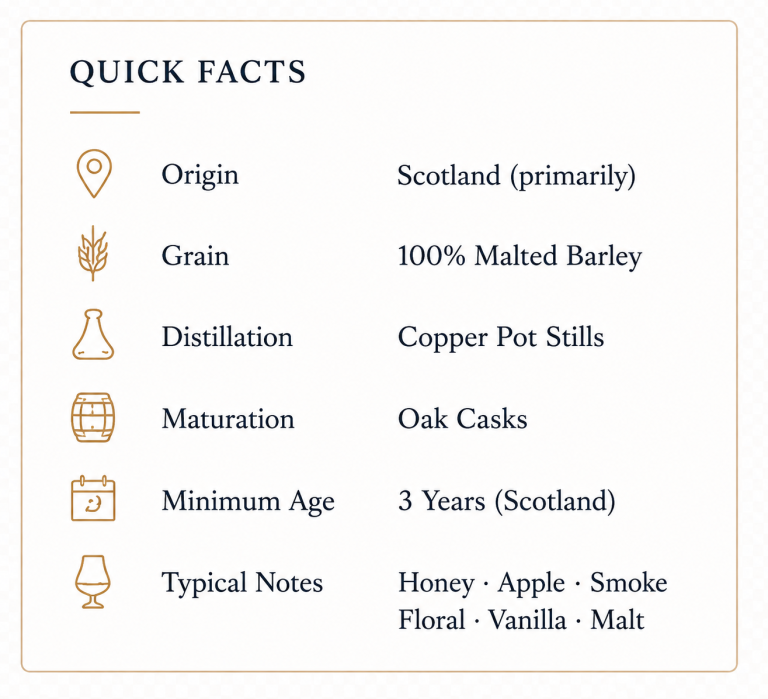
Single malt whisky is whisky produced at a single distillery using malted barley as its primary grain. It is one of the most respected and widely recognised whisky styles in the world, particularly in Scotland, where it has been distilled, argued over, and quietly perfected for centuries.
The name itself reads like a small contract of honesty. Single promises one place; malt promises one grain. Behind those two words stands a craft that turns something as humble as barley, water, and time into a spirit capable of tasting like sea spray, orchard fruit, or wood smoke drifting off a winter fire.
To understand single malt is to understand a particular way of thinking about flavour — one that prizes origin over uniformity, and character over consistency. It is whisky with an address: a spirit that remembers exactly where it was bor.
What defines a Single Malt Whisky?
Three words define it, and each carries weight.
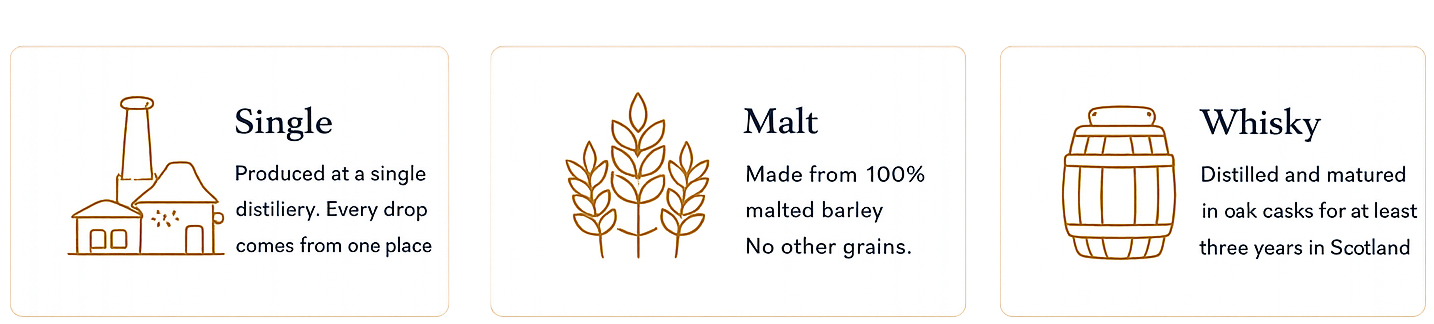
Single means a single distillery. Every drop in the bottle is born under one roof, from one source of water, shaped by one set of stills. It may be married together from many casks and many years — but never from many distilleries.
Malt means malted barley, and only malted barley. The grain is coaxed into germination and then dried, a process that wakes its starches and prepares them to become sugar, and later, alcohol. No corn, no wheat, no other grain dilutes the definition.
Whisky means a distilled grain spirit, aged in oak. In Scotland the law insists on at least three years asleep in the cask before the word may appear on the label.
Put together, the term is a quiet guarantee: one distillery, one grain, real time in wood.
How is Single Malt Whisky Made?
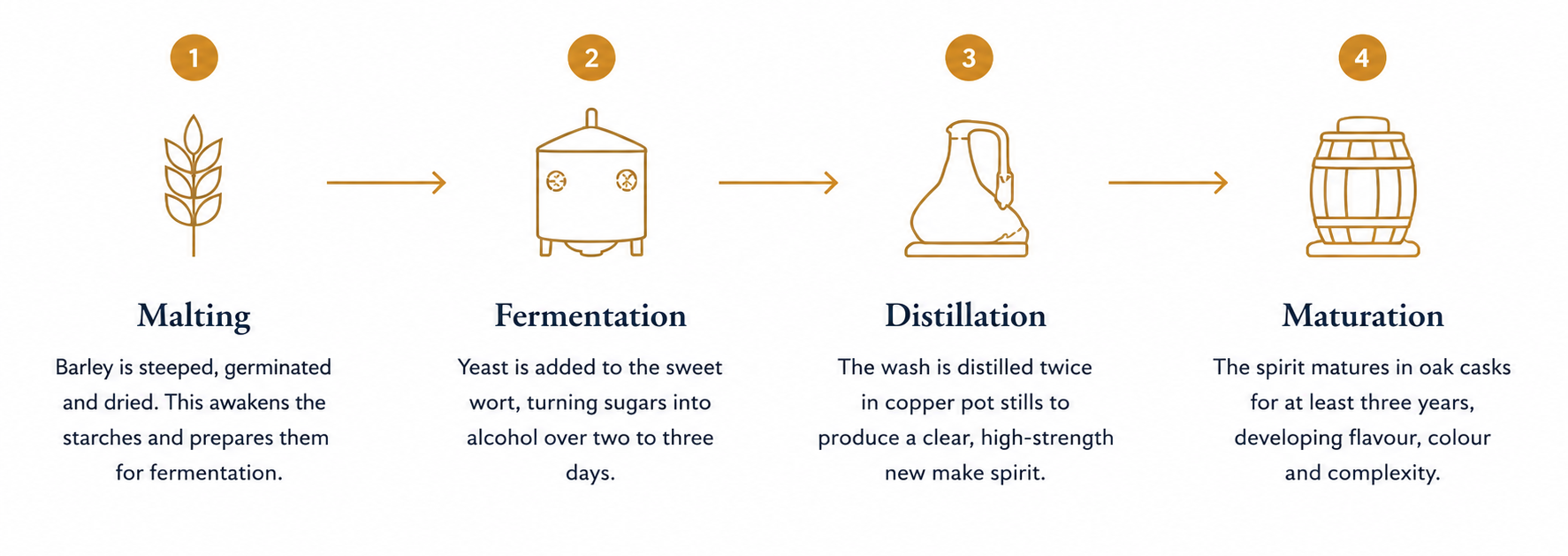
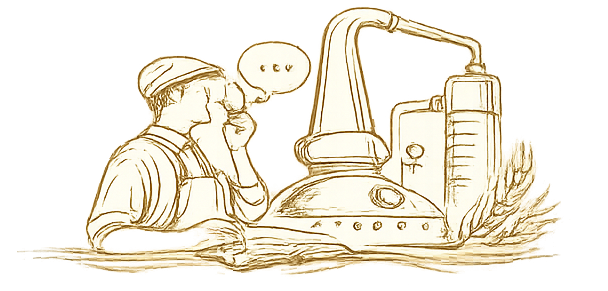
The making of single mait follows four great movements, each one transforming the last.
1. Malting
It begins with barley and a deception of spring. The grain is soaked in water and spread out to germinate, fooled into believing the growing season has come. Just as it sprouts, the maltster halts it with heat in a kiin. Here the distillery makes its first decision of character: dry the barley over peat smoke, and the whisky will carry that smoke for the rest of its life.
2. Fermentation
The malted barley is milled and mixed with hot water in a vessel called the mash tun, drawing out a sweet liquid known as wort. Yeast is added, and the quiet chemistry of fermentation begins. Over two or three days the sugars are devoured and converted into alcohol, producing a cloudy, beer-like liquid - the wash - at around eight percent strength.
3. Distillation
The wash is then purified by fire. In Scotland, single malt is traditionally distilled twice in copper pot stills, whose graceful, swan-necked shapes are no accident - their height and curve help decide how light or heavy the final spirit will be. Each distillation concentrates the alcohol and refines the flavour, until a clear, potent new-make spirit runs from the still.
4. Maturation
Finally comes the long wait. The spirit is filled into oak casks — often barrels that once held bourbon or sherry - and left to sleep in cool, dark warehouses. There the whisky breathes, drawing colour, sweetness, and depth from the wood, while a small portion evaporates each year, lost to what distillers fondly call the angels' share. Time finishes the work that craft began.
Typical Characteristics
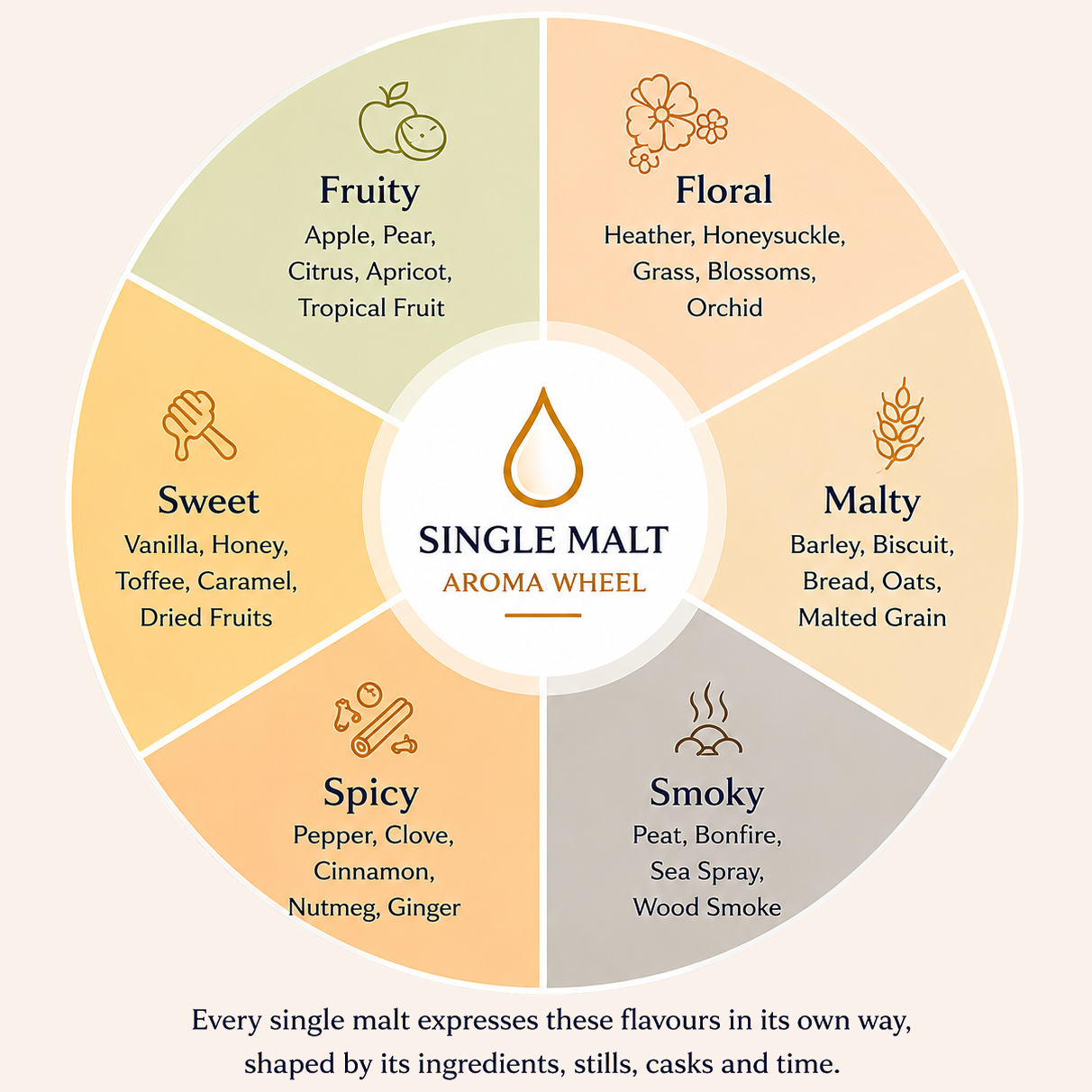
Why Is Single Malt Whisky So Popular?
Single malt's rise from regional craft to global obsession is one of the great stories of modern drinking.
Part of the appeal is authenticity. In an age of mass production, a single malt offers something rooted and real — made in one place, by one community, often using methods little changed in generations. To pour a glass is to taste a specific corner of the world.
Part of it is variety. No other spirit offers such range from a single recipe of barley, water, and yeast. A whisky from a windswept island tastes nothing like one from a sheltered Highland glen, and exploring those differences becomes a pleasure in itself.
And part of it, simply, is romance. Single malt carries stories — of misty distilleries, sleeping casks, and patient time. It rewards curiosity and slowness, inviting the drinker not merely to consume, but to contemplate.
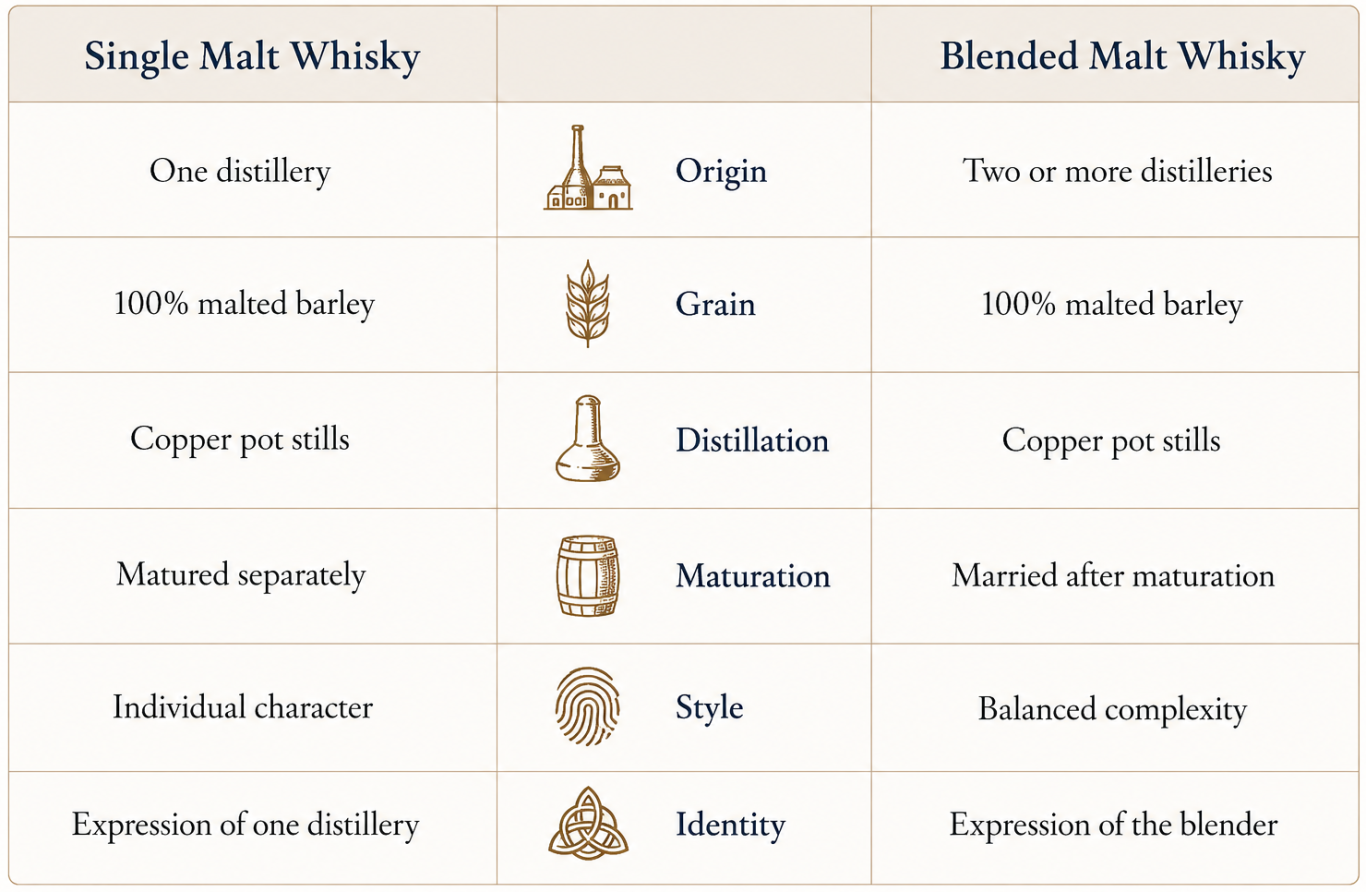
Single Malt vs. Blended Malt Whisky
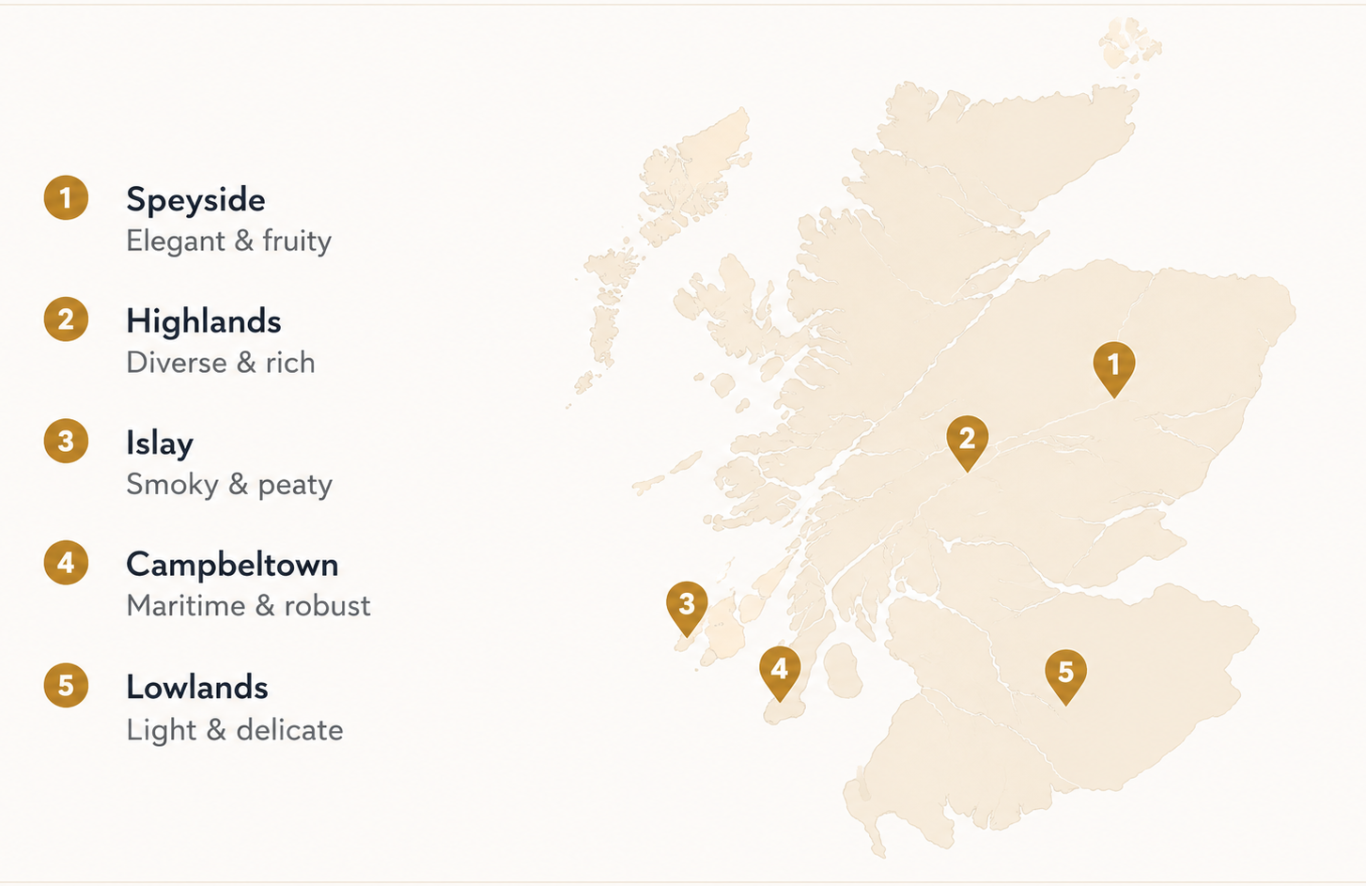
Famouse Single Malt Regions
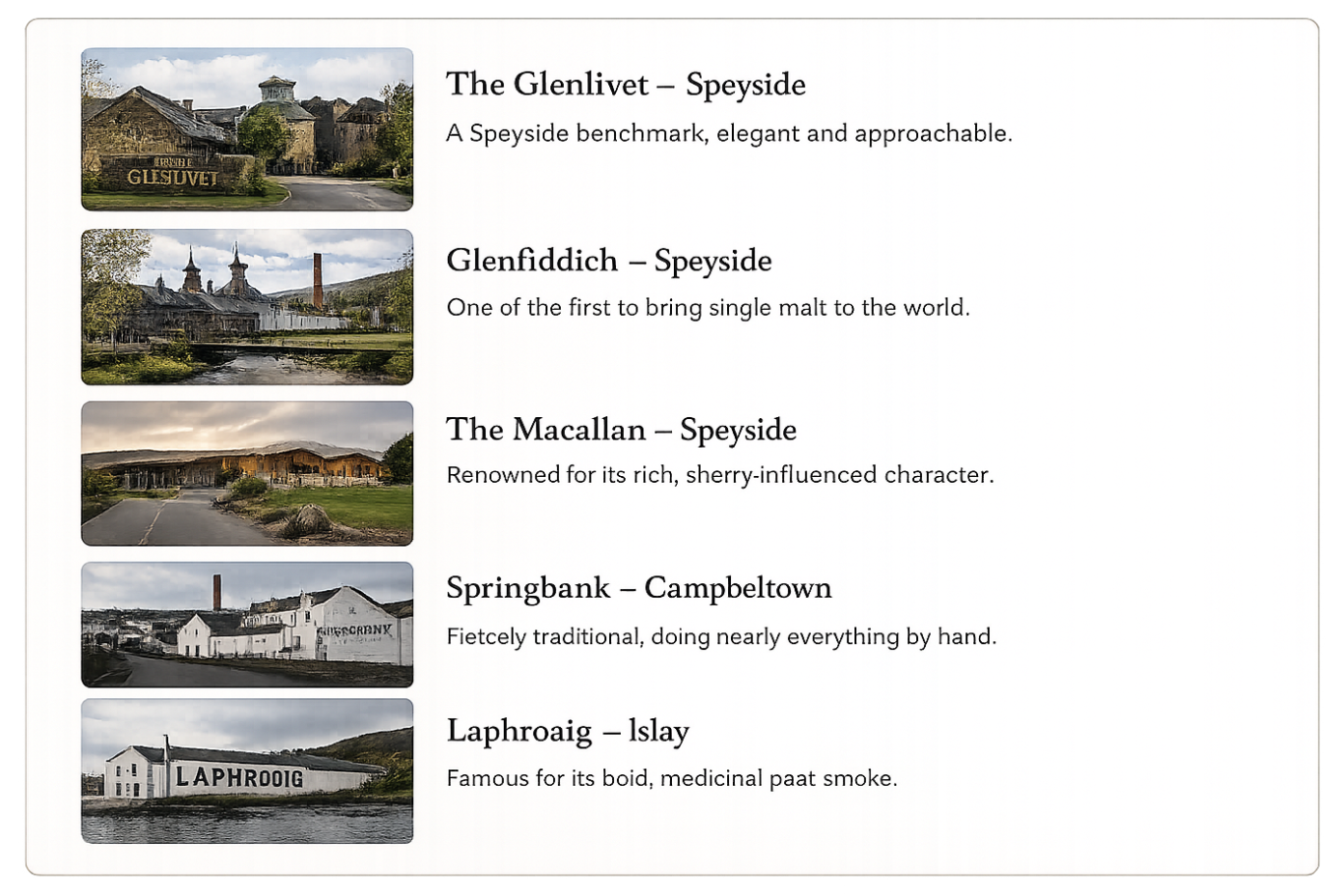
Notable Single Malt Distilleries
Frequently Asked Questions
Why is it called Single Malt?
The term single refers to whisky produced at one distillery, while malt means it is made exclusively from malted barley. It does not mean the whisky comes from a single cask.
Is every Scotch whisky a Single Malt?
No. Scotland produces several whisky categories, including blended Scotch whisky, blended malt whisky, single grain whisky and blended grain whisky. Single malt is just one of them.
Why do some single malts taste smoky?
Peat smoke used during the malting process can give the barley distinctive smoky aromas that remain throughout maturation.
Does age always mean better quality?
Not necessarily. Older whisky often becomes more complex, but younger whiskies can be just as outstanding. Quality depends on the distillery, the cask and the maturation, not simply the age.
Does Single Malt Whisky contain additives or sugar?
Premium single malts normally contain only whisky and water. Under Scotch Whisky Regulations, only plain caramel colouring (E150a) may be added to standardise colour. Sugar and flavourings are not permitted.
Can Single Malt Whisky be made outside Scotland?
Yes. Scotland made single malt famous, but excellent examples are also produced in Ireland, Japan, Australia, Taiwan and many other countries.
Related Articles
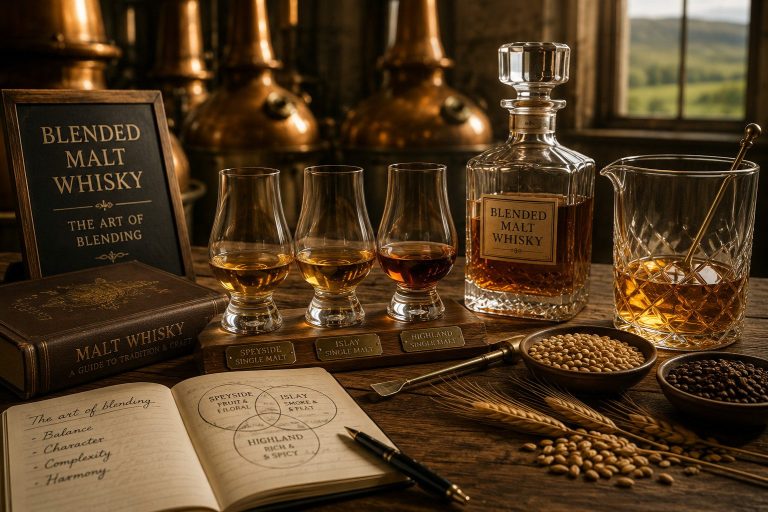
What is Blended Malt Whisky?
The art of blending malt whiskies.
What is Blended Malt Whisky?
The art of blending malt whiskies.
What is Blended Malt Whisky?
The art of blending malt whiskies.
What is Blended Malt Whisky?
The art of blending malt whiskies.
What is Blended Malt Whisky?
The art of blending malt whiskies.
What is Blended Malt Whisky?
The art of blending malt whiskies.
Keep Exploring
Every whisky tells a different story. Continue exploring styles, regions, production methods and the fascinating world behind the spirit.
Discover how ingredients, distillation and maturation shape each whisky’s unique character. Every article adds another piece to the bigger picture.
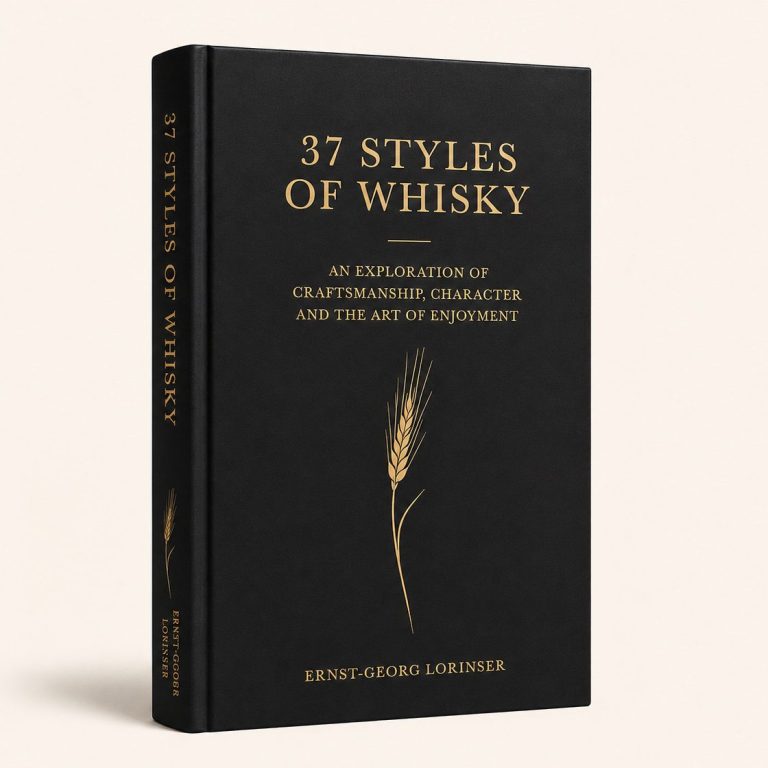
Go Deeper in the Book
Our book 37 Styles of Whisky takes you on a detailed journey through the world’s most important whisky styles, with stories, expert insights and a wealth of whisky knowledge.