
What Is
Blended Malt Whisky?
Blended malt whisky is crafted by marrying single malt whiskies from different distilleries into a single expression. It combines individual character with balance, creating a whisky style that celebrates harmony without using grain whisky.
Balanced. Characterful. Distinctive.
Introduction
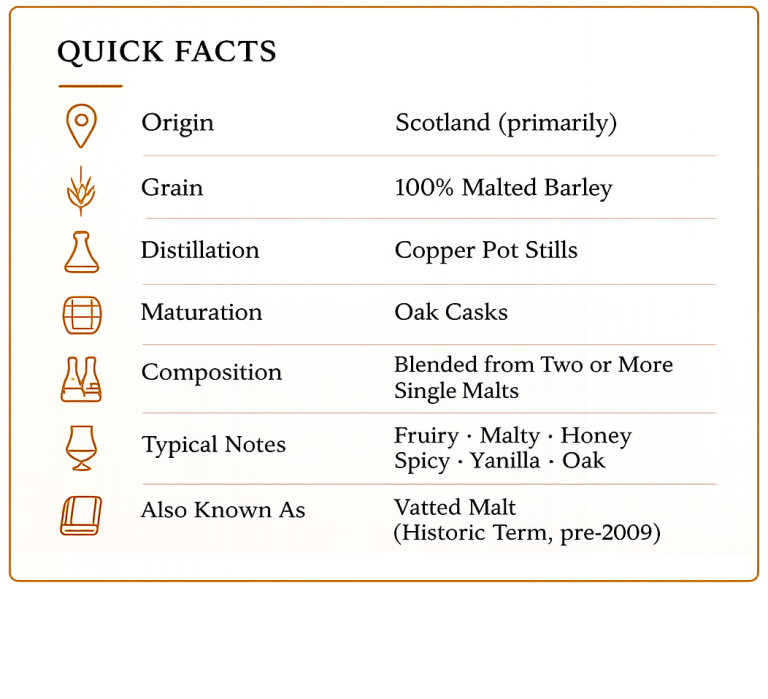
Blended malt whisky is whisky made entirely from single malts — two or more of them, drawn from different distilleries and married together into a single bottle. It contains no grain whisky at all: every drop began as malted barley, distilled in a pot still, in the traditional way.
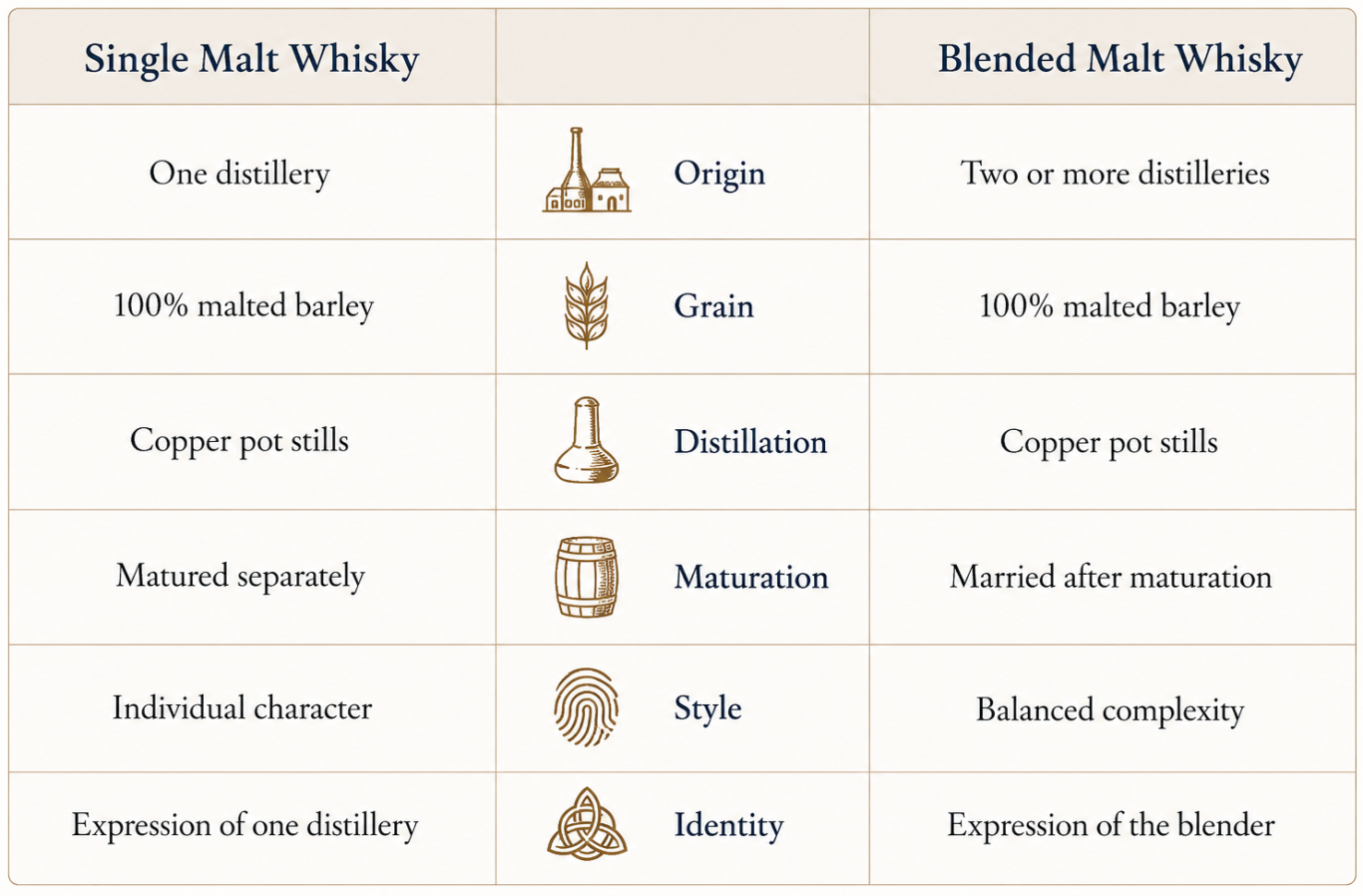
It is, in a sense, the quiet middle child of the whisky world — less famous than single malt, often confused with blended Scotch, and yet possessed of a character entirely its own. Where a single malt is the voice of one distillery, a blended malt is a conversation between several, shaped by a blender who chooses which voices to bring together and how loudly each should speak.
The name is precise, once you learn to read it. Blended promises more than one distillery; malt promises malted barley and nothing else. Together they describe a whisky built not by a single house, but by a single act of judgement — the art of knowing which malts belong side by side.
What defines a Blended Malt Whisky?
At first glance, the term looks familiar. Like single malt, the term rests on three words — but here one of them changes everything.
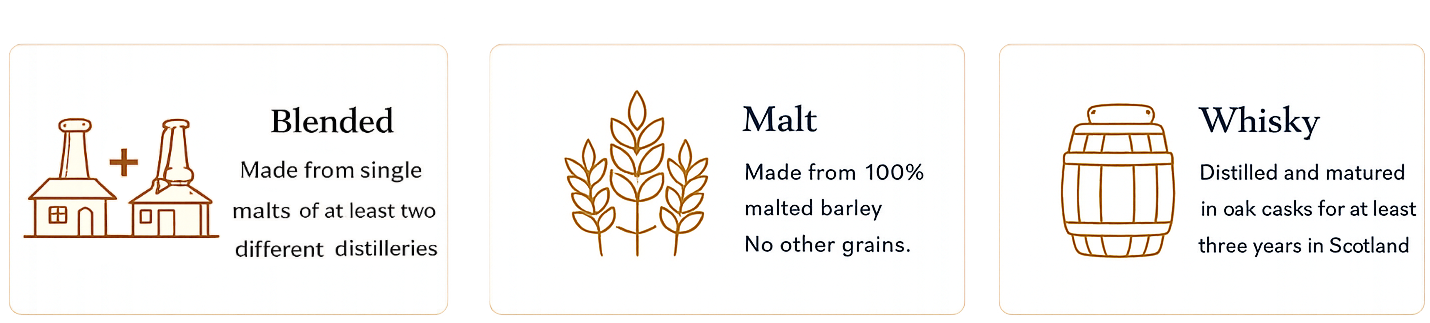
Blended means more than one distillery. This is the heart of the definition, and the exact opposite of single malt. A blended malt gathers single malts from at least two different distilleries and unites them. No single address can claim it; its identity lies in the combination.
Malt means malted barley, and only malted barley. Every component is itself a single malt — pot-distilled, all-barley, with no corn or wheat anywhere in the recipe. This is the line that separates a blended malt from an ordinary blend.
Whisky means a distilled grain spirit aged in oak — in Scotland, at least three years asleep in the cask before it may take the name. Each malt in the marriage will have served its own time in wood before ever meeting the others.
Put together, the term is a careful promise: many distilleries, one grain, and not a drop of grain whisky to lighten it.
How is Blended Malt Whisky Made?
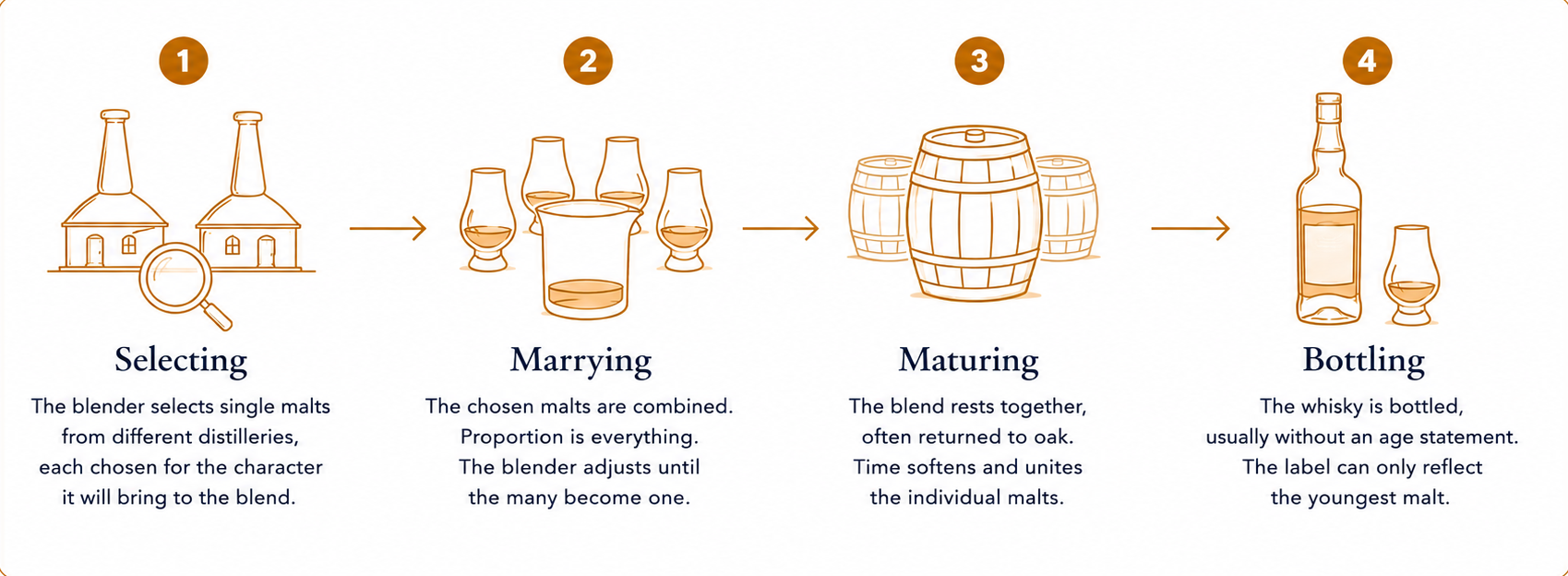
The making of a blended malt begins where the story of a single malt ends. Each component is a finished single malt in its own right — already malted, fermented, distilled, and matured in the traditional way. The blender's craft is what happens next, and it unfolds in four movements.
1. Selecting
It begins with a search and a memory of flavour. The blender draws single malts from different distilleries — perhaps a smoky Islay malt for backbone, a honeyed Speysider for sweetness, a firm Highland malt for structure — choosing each for what it can lend the whole. This is composition before it is chemistry: deciding which characters will harmonise, and which will quarrel.
2. Marrying
The chosen malts are combined, an act the trade once called vatting. Here proportion is everything. A few percent more of a powerful, peated malt can tilt the entire balance; a generous measure of a gentle one can round off every edge. The blender works toward a single harmonious flavour, adjusting sample after sample until the many become one.
3. Maturing
The marriage is rarely hurried to the bottle. Combined, the malts are usually left to rest together — often returned to oak for a spell of further maturation, sometimes called a marrying period — so that their separate characters settle, soften, and knit into something seamless. Time does for the blend what it once did for each malt alone: it smooths the joins until they vanish.
4. Bottling
Finally the whisky is bottled, frequently without an age statement — for when malts of different ages meet, any age on the label must reflect the youngest among them. What reaches the glass is not the work of one distillery, but of one decision, refined until it is right.
Typical Characteristics
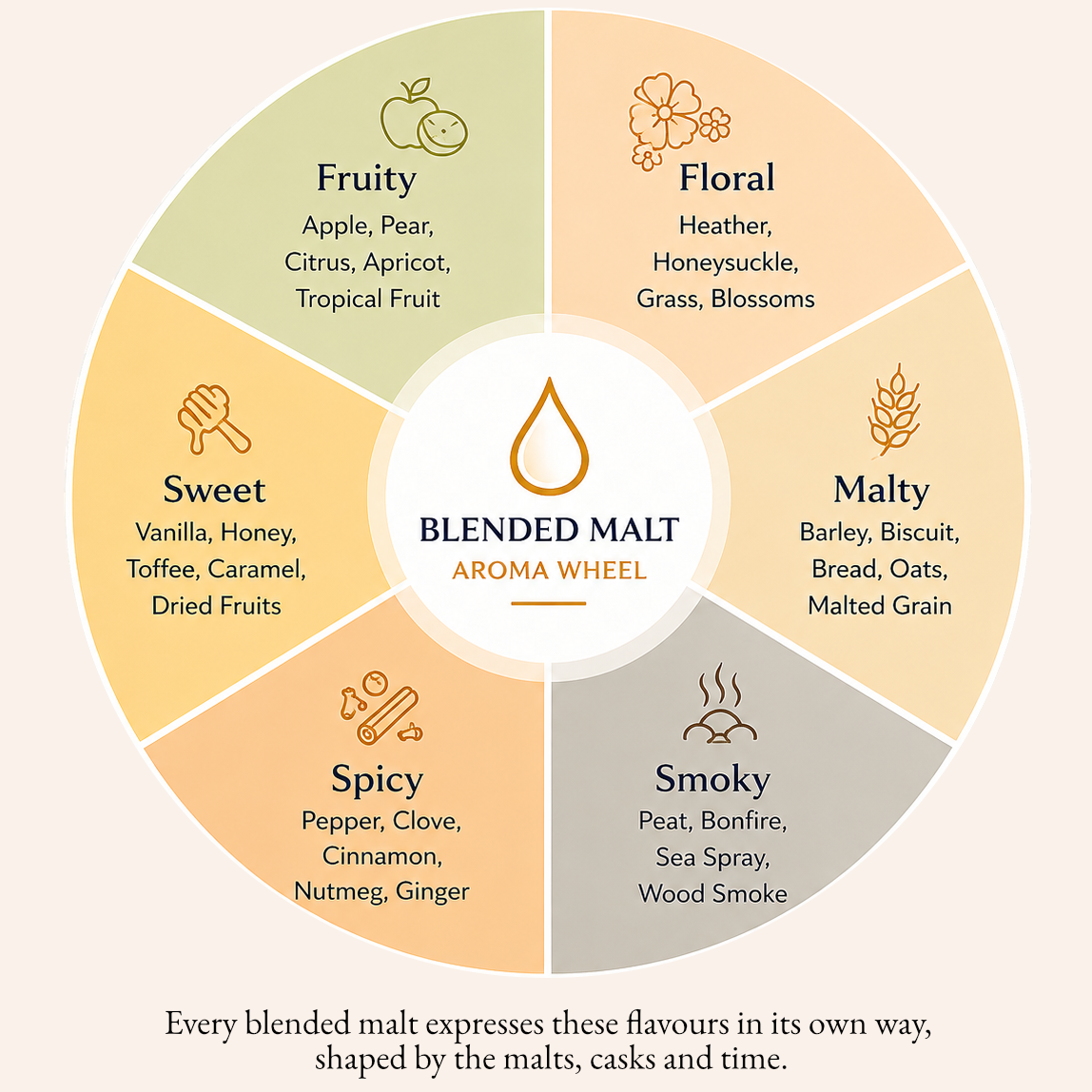
Why Is Blended Malt Whisky So Popular?
Once dismissed as a curiosity, blended malt has quietly become one of whisky’s most interesting categories.
Part of the appeal is purity. In a single bottle you get nothing but malt whisky — the body and depth of single malt, with none of the grain spirit that lightens an ordinary blend. For drinkers who love malt but enjoy variety, it offers the best of both.
Part of it is craft. A blended malt is openly the work of a blender’s imagination, freed from the constraint of a single distillery. Independent houses such as Compass Box have made that creativity their signature, treating the blend as a canvas rather than a compromise.
And part of it, simply, is value and ease. Blended malts often deliver genuine malt character at a gentler price, in a style smooth enough to sip neat yet robust enough to carry a cocktail. They invite the curious in — proof that the art of whisky lies not only in where it is made, but in how it is brought together.
Single Malt vs. Blended Malt Whisky
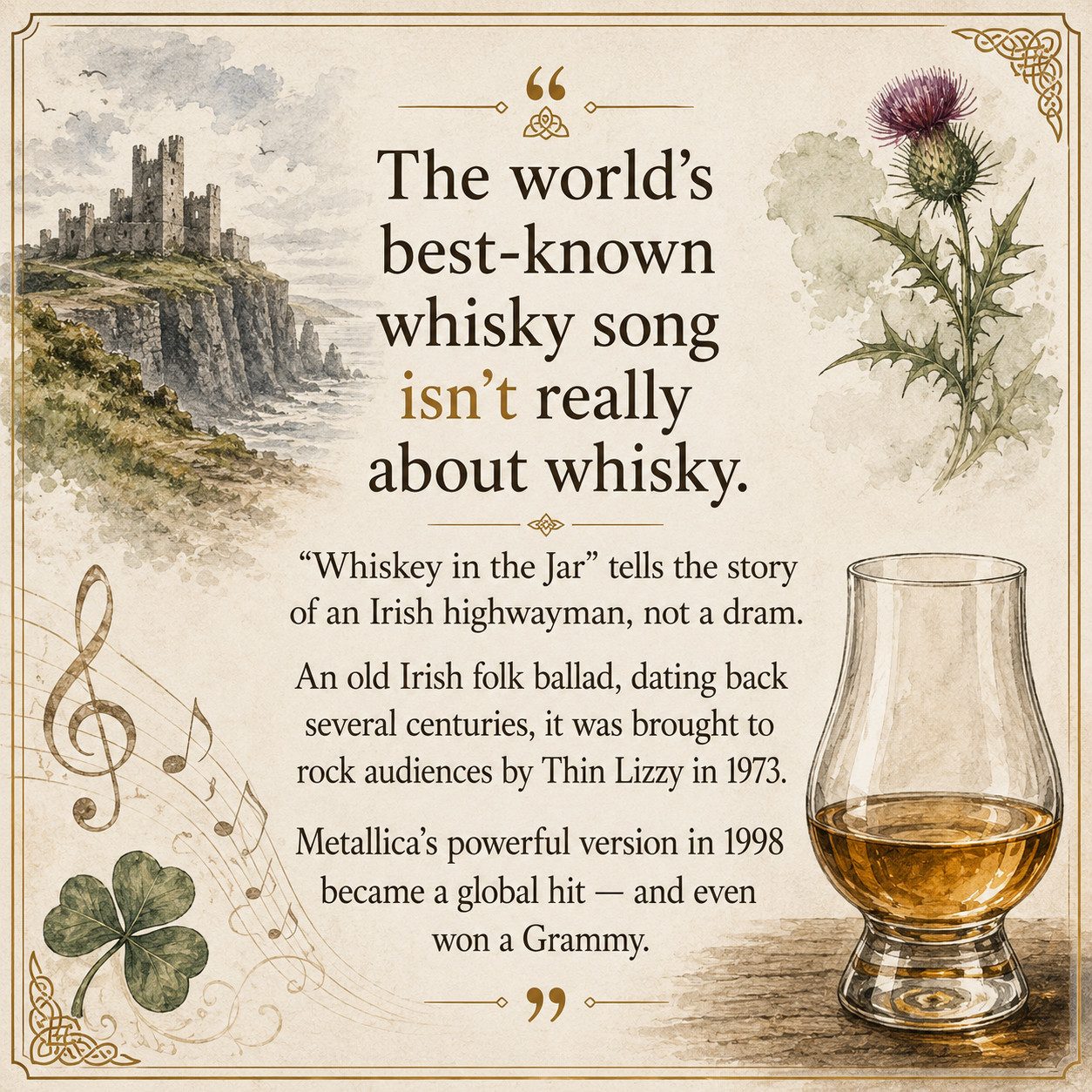
Whiskey in the Jar
Notable Blended Malt Whiskies
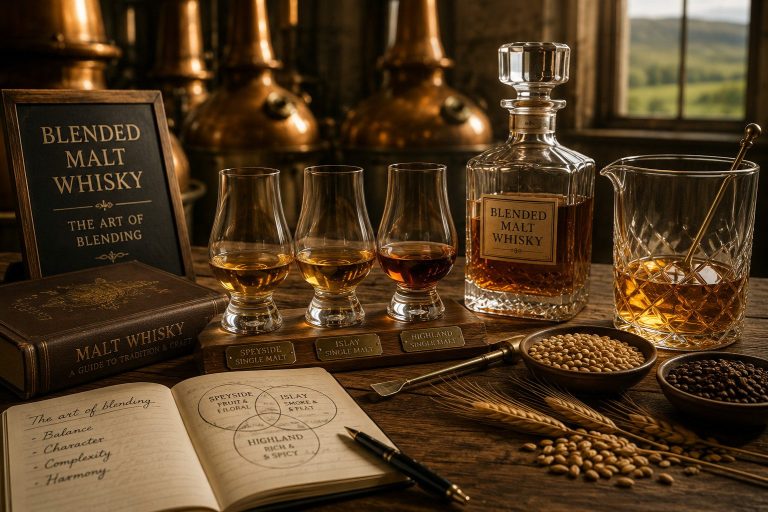
The Art of Blending
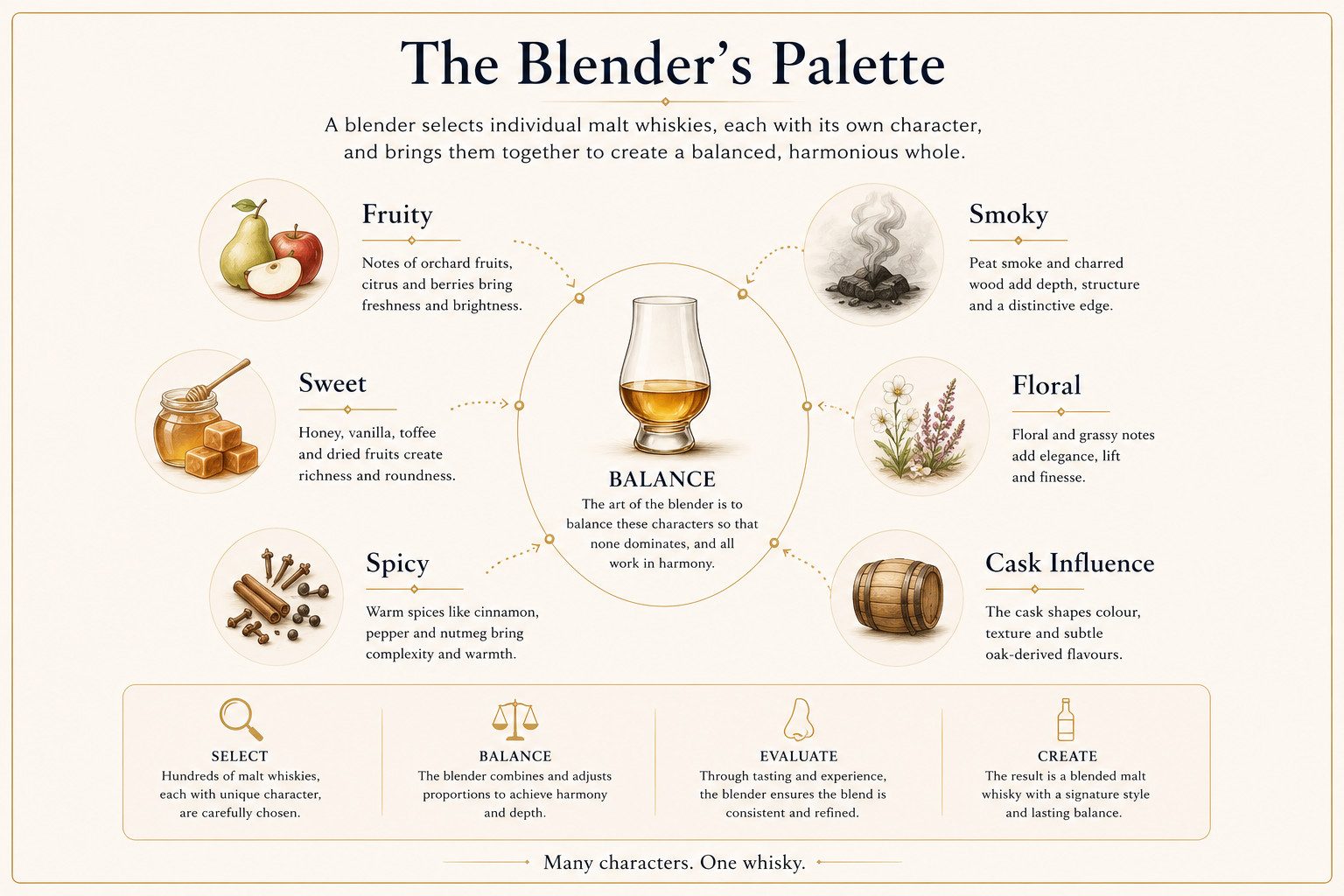
Every blended malt begins with exceptional single malts. The blender’s craft lies not in changing them, but in selecting and balancing their individual characters. Each whisky contributes its own personality, whether fruity, floral, smoky, sweet, spicy or malty, and the challenge is to bring these individual voices together into a harmonious whole.
The goal is not for one flavour to dominate, but for every component to support the others. Like an orchestra guided by a conductor, each single malt has its own voice, yet together they create something richer and more balanced than any one could achieve alone. The result is a whisky defined not by a single distillery, but by the art of blending carefully chosen malts into one distinctive and memorable dram.
Balance. Harmony. Craftsmanship.
Frequently Asked Questions
Why create a Blended Malt Whisky?
Blending allows different single malts to complement one another. A blender can combine fruity, smoky, rich or delicate whiskies into a balanced expression that no single distillery could produce alone.
Does Blended Malt Whisky contain grain whisky?
No. By definition, blended malt whisky contains only single malt whiskies. No grain whisky is added, making it distinct from a traditional blended Scotch whisky.
What is the difference between Blended Malt and Blended Scotch Whisky?
Blended malt whisky is made entirely from single malt whiskies sourced from different distilleries. Blended Scotch whisky, by contrast, combines malt whisky with grain whisky to create a different style and flavour profile.
Is Blended Malt Whisky lower quality than Single Malt?
Not at all. Quality depends on the whiskies selected and the skill of the blender, not on the category itself. Many blended malts rank among Scotland’s finest whiskies.
What are some famous Blended Malt Whiskies?
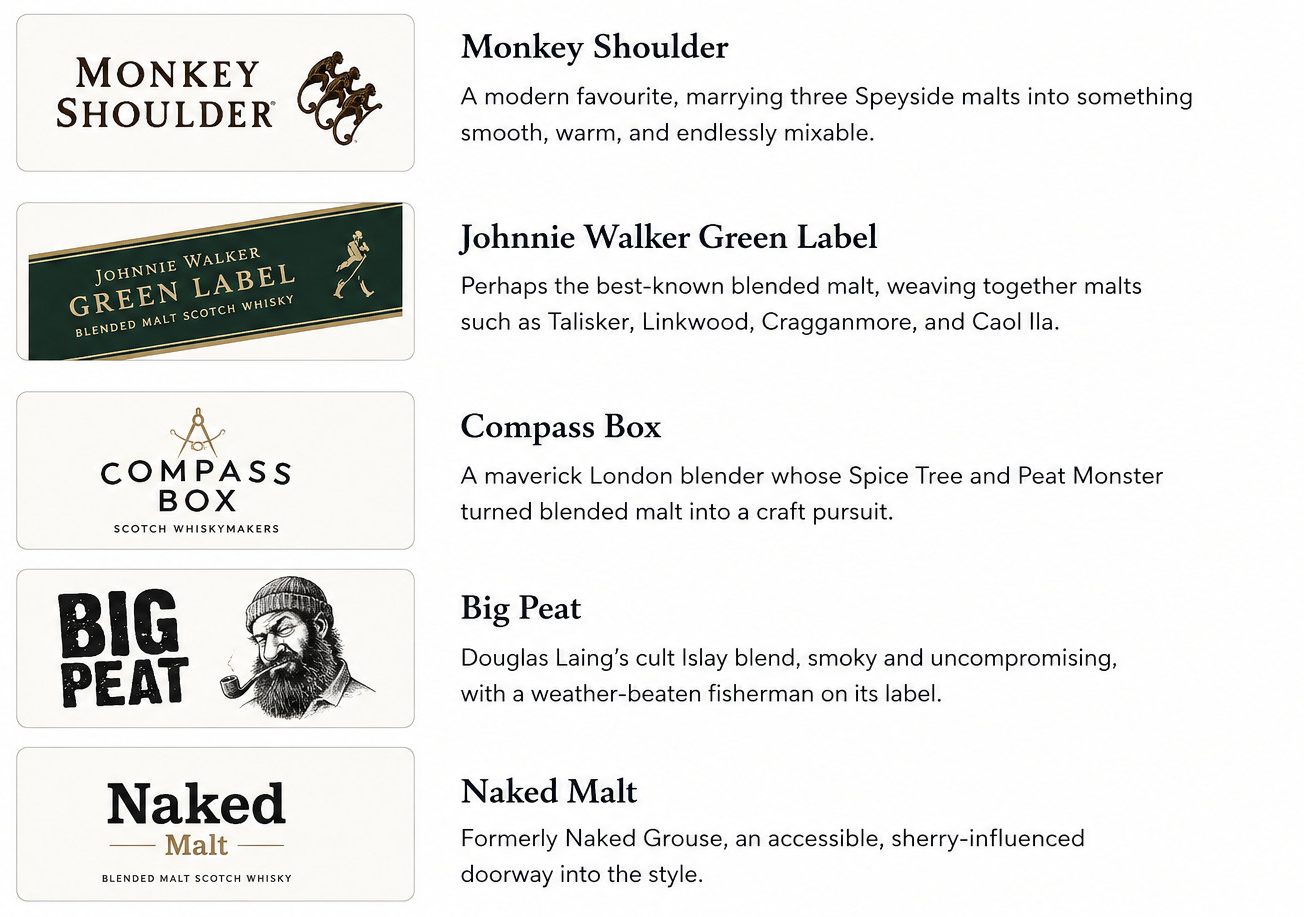
Well-known examples include Monkey Shoulder, Johnnie Walker Green Label, Compass Box Spice Tree, Big Peat and Naked Malt. Together they illustrate just how versatile blended malt can be.
Can Blended Malt Whisky have an age statement?
Yes. If an age statement appears on the label, it always reflects the youngest whisky in the blend, regardless of how old the other component malts may be.
Related Articles
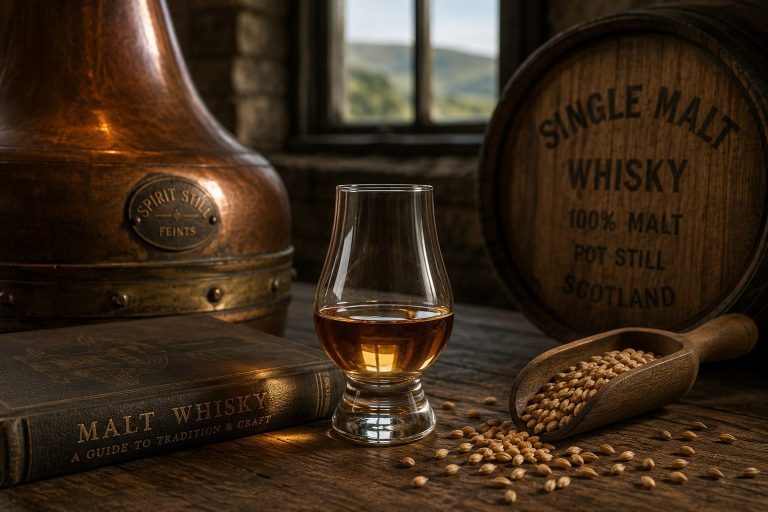
What is Single Malt Whisky?
World’s most respected whisky style.
What is Blended Malt Whisky?
The art of blending malt whiskies.
What is Blended Malt Whisky?
The art of blending malt whiskies.
What is Blended Malt Whisky?
The art of blending malt whiskies.
What is Blended Malt Whisky?
The art of blending malt whiskies.
What is Blended Malt Whisky?
The art of blending malt whiskies.
Keep Exploring
Every whisky tells a different story. Continue exploring styles, regions, production methods and the fascinating world behind the spirit.
Discover how ingredients, distillation and maturation shape each whisky’s unique character. Every article adds another piece to the bigger picture.
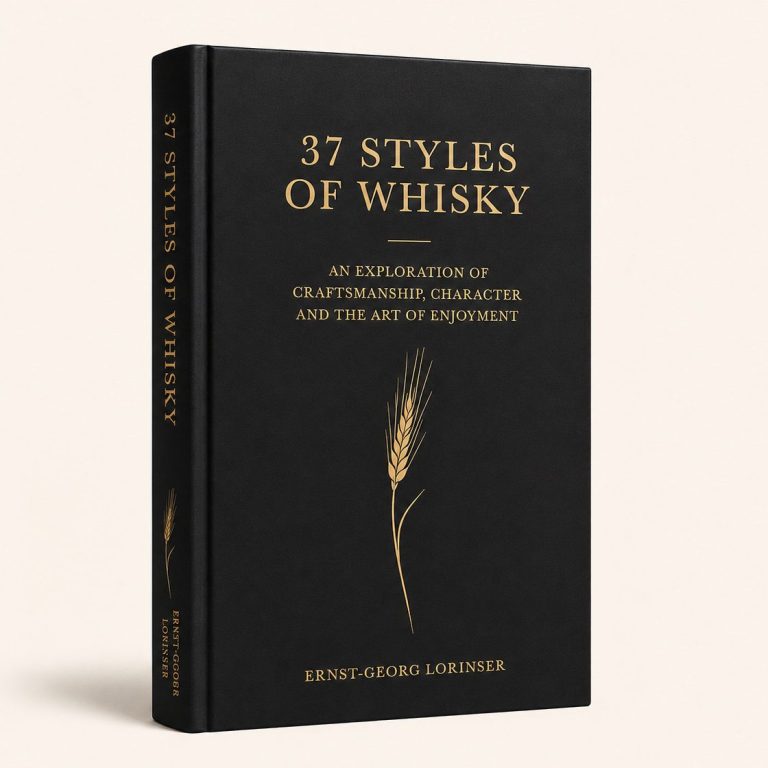
Go Deeper in the Book
Our book 37 Styles of Whisky takes you on a detailed journey through the world’s most important whisky styles, with stories, expert insights and a wealth of whisky knowledge.